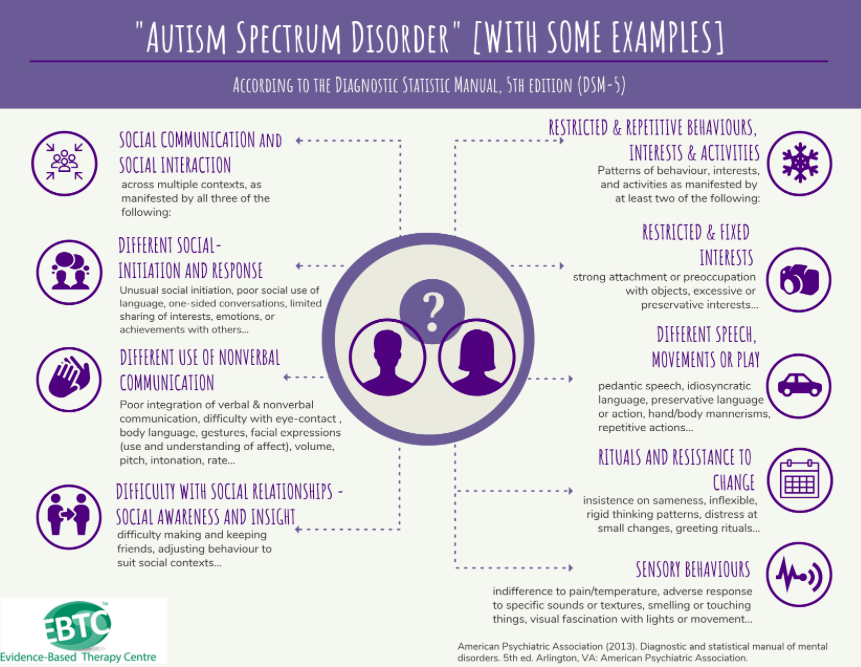
Autism isn’t a one‑size‑fits‑all diagnosis, and when it comes to sensory modulation, the story changes a bit for girls and women. This guide dives into the subtle ways female autism symptoms of sensory modulation difficulties manifest, why they’re often overlooked, and how to spot and support them. Whether you’re a parent, teacher, or just curious, you’ll find clear explanations, real‑world anecdotes, and practical tips—all sprinkled with a touch of light humor to keep the reading experience as smooth as a well‑designed sensory room.
Understanding Sensory Modulation in Autism
What Is Sensory Modulation?
Sensory modulation is the brain’s ability to regulate how it receives, processes, and responds to sensory input. Think of it as a thermostat for your senses—when it’s set right, you’re comfortable; when it’s off, you can feel the world in a way that’s either too hot or too cold. In autism, this thermostat can get a little skewed, leading to either over‑reactivity (like a child who flinches at a fan) or under‑reactivity (someone who seems numb to pain).
Why Females Show Different Patterns
Research shows that girls with autism often mask their sensory challenges more effectively than Insurance or government support boys. They may develop coping strategies—like wearing sunglasses or using noise‑cancelling headphones—that hide their struggles from teachers and peers. As a result, the female autism symptoms of sensory modulation difficulties can be under‑reported, leading to missed diagnoses or delayed support.
> “Sensory differences are not just a ‘quirk’—they’re a core feature of autism that shapes daily life.” – Dr. Emily Carter, Sensory Integration Specialist
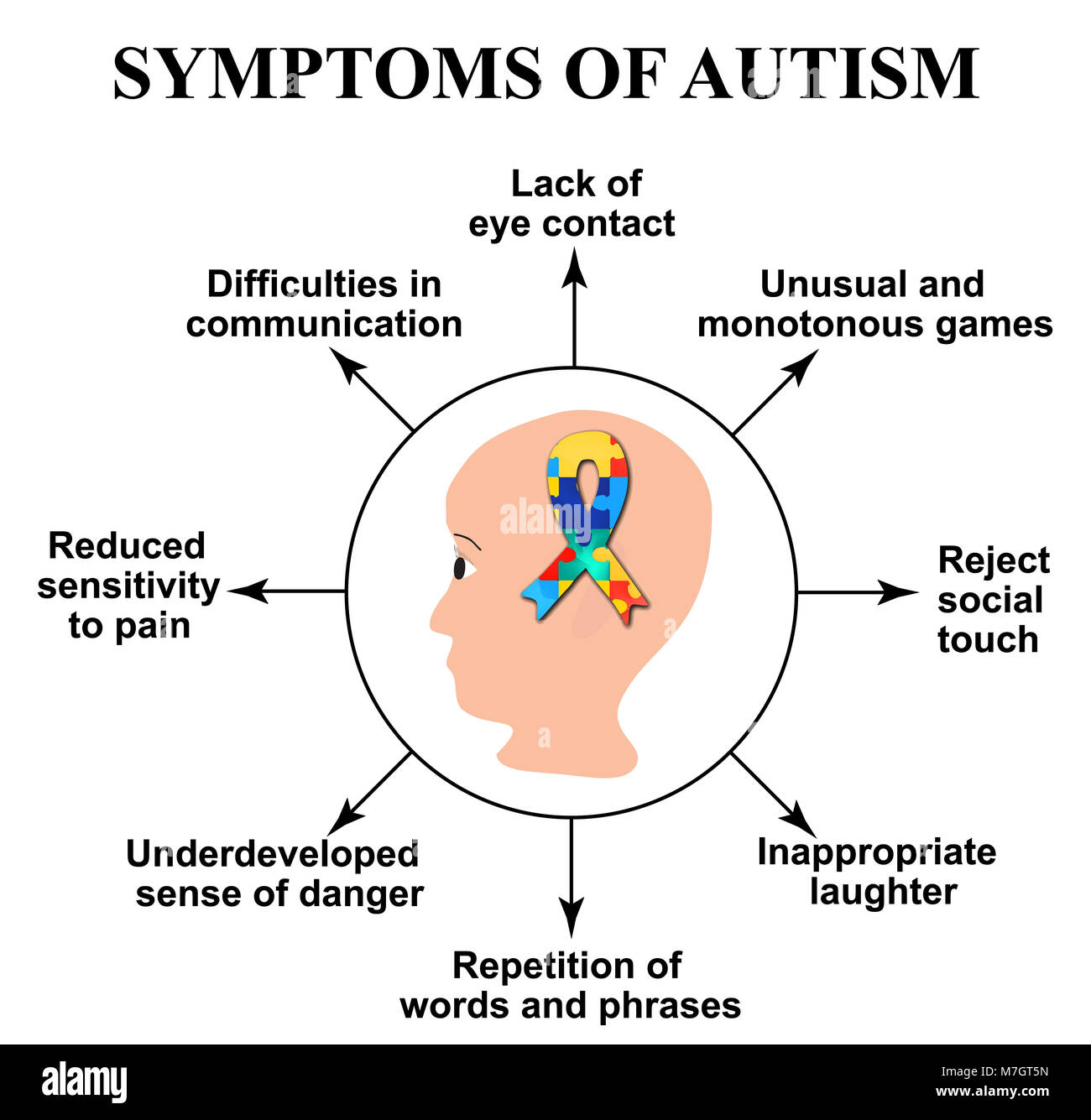
Common Sensory Modulation Difficulties in Females
Visual Sensitivity
- Bright classroom lights Fast‑moving advertisements Over‑decorated rooms
Girls may describe a world that feels like a kaleidoscope gone haywire. The visual overload can trigger headaches, eye strain, or a sudden urge to close the curtains.
Auditory Overload
- Loud conversations Background chatter Unexpected noises (door slams, phone rings)
Many women with autism experience “audio avalanche” moments where a single sound feels like a sonic boom. This can lead to withdrawal or a frantic attempt to escape the noise.
Tactile Sensitivity
- Textured clothing Handshakes Touch during social interactions
A simple handshake can feel like a mild assault. Some girls avoid physical contact altogether, which can be misinterpreted as shyness rather than sensory discomfort.
Proprioceptive Challenges
- Maintaining posture Judging distance Coordinating movements
When a girl struggles with body awareness, everyday tasks—like walking through a crowded hallway—can become a minefield of missteps and awkwardness.
Real‑World Examples and Anecdotes
School Setting
During recess, Maya—an 11‑year‑old with autism—would often retreat to the corner of the playground, clutching a stuffed animal. She’d claim the “wind” was too strong, but in reality, the wind was a metaphor for the loud chatter and the clatter of lockers. Teachers noticed her avoidance but misattributed it to social anxiety.
Social Interactions
At a family gathering, Sarah, a 27‑year‑old woman with autism, felt overwhelmed by the noise and the bright lights. She excused herself to the bathroom, citing a migraine, but she was actually battling auditory overload and visual clutter. Her family, unaware of the sensory modulation difficulties, assumed she was simply unwell.
Strategies and Supports
Environmental Adjustments
- Use dimmer lights or natural lighting Create quiet zones with sound‑absorbing panels Keep a consistent layout to reduce visual chaos
A small change—like adding a white noise machine—can turn a noisy classroom into a sensory sanctuary.
Sensory Tools
- Noise‑canceling headphones Weighted blankets or vests Textured or soft‑fabric clothing
These tools act like a personal shield, giving the individual a sense of control over their sensory input.
Therapy Options
- Occupational therapy focused on sensory integration Cognitive‑behavioral strategies for coping Social skills groups tailored to sensory needs
Therapists often employ a “sensory diet,” a personalized routine that balances stimulation throughout the day.
When to Seek Professional Help
If you notice persistent signs—such as avoidance of certain https://privatebin.net/?4b2ab0ef599f3515#GJt4NFVTifKgCRf1k1zb2qETudBoWrqoq235cEbhUtLe textures, frequent headaches after social events, or difficulty concentrating due to noise—it may be time to consult a specialist. Early intervention can prevent secondary issues like anxiety or depression that often accompany untreated sensory modulation difficulties.
Empowering Families and Communities
Education is the first step toward empowerment. Share information about sensory modulation with school staff, employers, and peers. Encourage open dialogue about sensory needs—after all, understanding the thermostat can prevent the whole house from overheating.
Key Takeaways
- Female autism symptoms of sensory modulation difficulties often manifest subtly. Masking behaviors can delay diagnosis. Practical strategies—environmental tweaks, sensory tools, and therapy—can make a world of difference. Early recognition and support foster confidence and inclusion.
A Light‑Hearted Path Forward
Imagine your senses as a delicate orchestra. When the conductor (your brain) is off‑beat, the music can become cacophonous. But with the right adjustments—think tuning the instruments and setting the tempo—you can transform that chaos into a harmonious symphony. So, whether you’re a parent, educator, or friend, keep an ear out for those off‑beat moments and offer the support that lets everyone play in tune.